
The Rise of Soft Adventure Among Indian Outbound Travellers
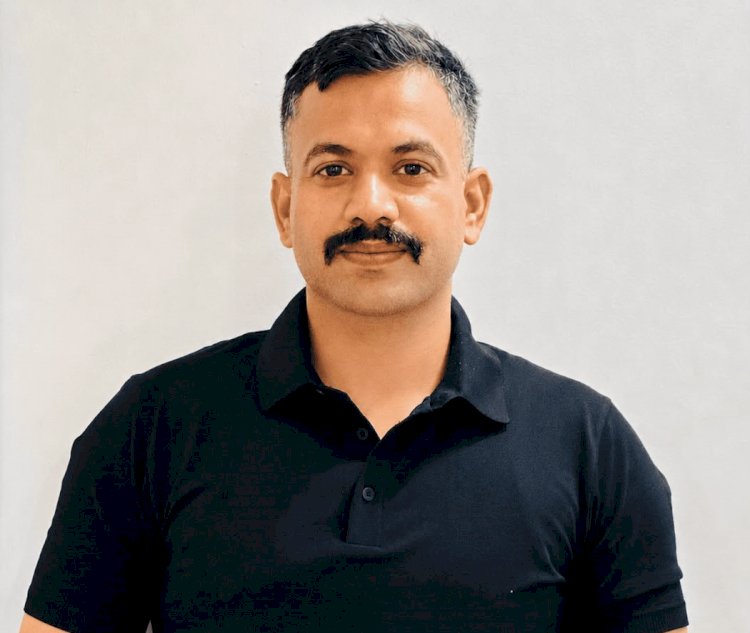
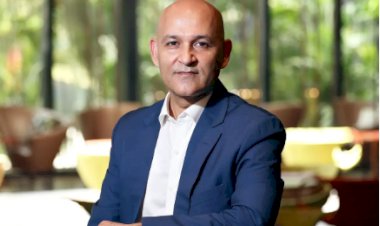
By Prashant Daroch, Founder, Atravelq
In many ways, adventure travelling was all about height, endurance, and adrenaline in previous decades. It used to be associated with scaling remote mountain peaks, going scuba-diving in the deep blue sea, or chasing adventures across continents. However, in 2026, there emerges another type of adventure travel which attracts more and more Indian outbound tourists.
At Atravelq, we see it manifested in our client enquiries and bookings. Instead of opting for the physically challenging and technically advanced forms of tourism, clients are turning to a combination of nature, wellness, and culture, along with comfort. Thus, a dawn walk in Kyoto, a cycle tour through the vineyards of New Zealand, a fjord cruise in Norway, a forest walk in Vietnam, or a wellness trip to Bali are seen as more attractive than reaching a peak or indulging in extreme sports.
It is not just a trend; it is a paradigm shift in the way Indians see travelling and luxury.
A new phase in India’s outbound travel story
The outbound tourism market in India is forecast to be valued at USD 23.4 billion by 2026, with a CAGR of 11.4% from 2026 to 2036, making India one of the fastest-growing outbound travel markets globally. A lot of this growth is attributed to Millennials and Gen Z travellers who always favour experiences over things.
In such an environment, the segment of soft adventure has become a very promising segment. The list of activities in this segment includes:
- Guided hiking & trekking
- Cycling & e-bike tour
- Kayaking in tranquil water bodies
- Wildlife & nature trail
- Cultural walk experience
- Wellness & mountain escape
- Small town slow travel
This segment allows for an adventurous journey that doesn’t intimidate.
From achievement to enrichment
One of the most obvious changes in the behaviour of travellers is that of the change from achievement travel to enrichment travel.
Market studies indicate that experiential travel is emerging as the top desire for young Indian travellers, with the wider category of experiential tourism estimated to be worth $45 billion by 2027.
INDIA OUTBOUND
Today, travellers do not ask only“What are the best things to see?” They now ask questions like:
- Where can I go offline?
- Where can I immerse myself in nature?
- Where can I immerse myself in the local culture?
- Where can I come back feeling recharged and not drained?
The change in how travellers view trips is affecting social media behaviour. The most inspiring travel experiences are not always the most risky experiences. Examples include walking through a foggy mountain trail, meditating by the lakeside, having tea at a traditional ceremony, and hiking through the beautiful countryside.
The mountain effect: seeking calm, not conquest
Mountains continue to fascinate Indian tourists, but the rationale behind it is getting modified.
According to Skyscanner, in the coming year 2026, there are certain travel trends which include “Altitude Shift”, meaning that there will be increasing preference for mountains as holiday destinations, which can bring wellness, mindfulness, and rejuvenation throughout the year rather than the adventure of climbing them.
While talking to our travellers, their questions have shifted from “How challenging is the trek?” to “How beautiful and serene is the trail?”
It is important to note that soft adventure is not about not participating in any physical activity; rather, it is about moving freely without feeling any stress.
Culture and nature are no longer separate
Another key characteristic of this trend is the intertwining of the outdoor experience with cultural experience.
It's becoming increasingly common for nature elements to be included in these trips rather than considered a distinct form of travel.
That is why the appeal of countries like Japan, Vietnam, Sri Lanka, and New Zealand has been increasing among Indian outbound travellers, because they have the following elements:
- Scenic landscape
- Safely developed infrastructure
- Cultural richness
- Good hospitality facilities
- Access to outdoor activities
Soft adventure is redefining luxury
Globally, the adventure tourism market is projected to reach USD 534.4 billion in 2026. Yet the fastest-growing premium segment is not necessarily extreme adventure; it is curated, personalised, and slower exploration.
Luxury in 2026 is increasingly defined by Space, Silence, Authenticity, Wellness and Human connection. Travel trend forecasts also indicate that travellers are placing greater value on human expertise and personalised planning rather than purely algorithm-driven recommendations.
At Atravelq, we see growing demand for itineraries that combine soft adventure with premium comfort: boutique stays, private transfers, local guides, wellness experiences, and flexible pacing. Travellers want journeys that feel thoughtfully designed around their interests, energy levels, and emotional goals.
What the industry must recognise
The growth of soft adventure is vital to tourism boards, airlines, hotels and travel businesses. The future of outbound tourism is not going to be about what travellers can accomplish within a set number of days, but what they are capable of experiencing.
Important emerging trends to keep in mind are:
- Combination of wellness with adventure outdoors
- Short-haul soft adventures for first-time international travellers
- Multi-generational trips with varying levels of activities
- Slow travels with few stops and more time at each destination
- Safe and engaging nature trips
Shift towards more mature Indian travellers
Indian outbound travel is entering a more mature and emotionally driven phase. Travellers are no longer travelling simply to collect destinations. They are travelling to collect feelings, memories, and meaningful moments.
Soft adventure captures this aspiration perfectly. It offers the joy of discovery, the benefits of being outdoors, the richness of local culture, and the comfort of travelling at one’s own pace.
In many ways, this is not the decline of adventure travel—it is its evolution.
And I believe the future of Indian outbound tourism will belong not only to those who climb the highest peaks, but also to those who choose to walk slowly, breathe deeply, and experience the world more meaningfully.























/hospibuz/media/media_files/2026/04/02/sing-malay-phil-india-cam-kv-sale-deluxe-15-4-4-2026-04-02-13-39-48.jpg)